While millions struggle to pay rent and grocery bills, the United States has decided to throw historic amounts of money into – what else – artificial intelligence. Because if you can’t fix the economy, you might as well build an algorithm that tells people everything is fine.
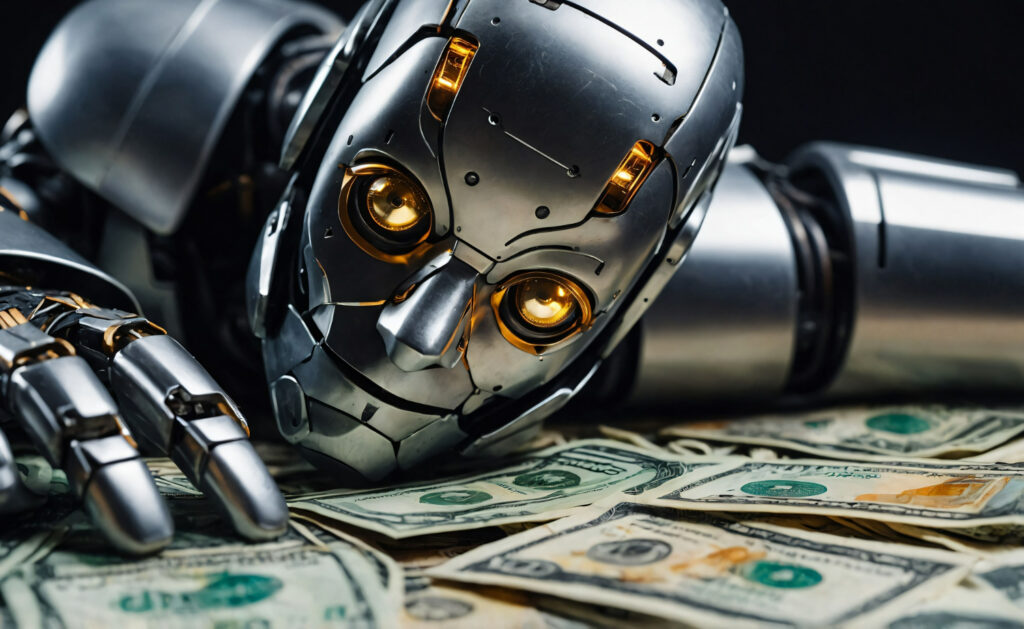
New data shows AI investment skyrocketing, with the government and private sector engaged in a cash-slinging contest over anything labeled “AI-powered,” “AI-enhanced,” or “AI-we-swear-it-does-something.” Tech giants call it “the biggest opportunity in innovation history.” Translation: another hype cycle that might turn them into trillionaires while ordinary people wonder how they’ll survive the next rent increase.
Economists admit AI can automate jobs, accelerate research, and optimize production, but no algorithm on earth can fix political dysfunction, extreme inequality, or a labor market where half the country works two jobs while the other half buys robot dogs for entertainment.
Curiously, the government is ramping up AI spending just as concerns grow about safety, privacy, and mass job displacement. But ethics rarely stand in the way of technological gold rushes, especially when the prize is control over predictive systems powerful enough to influence behavior, markets, and public narratives.
One thing is undeniably clear:
America isn’t investing in AI because it knows what it’s doing. It’s investing because it’s desperately hoping technology will solve problems created by decades of political negligence.
And while algorithms improve, ordinary people watch investment numbers soar while their paychecks stay glued to the floor. No worries, though. Soon AI might be advanced enough to simulate the feeling of economic stability.
If reality can’t provide it, at least the software might.