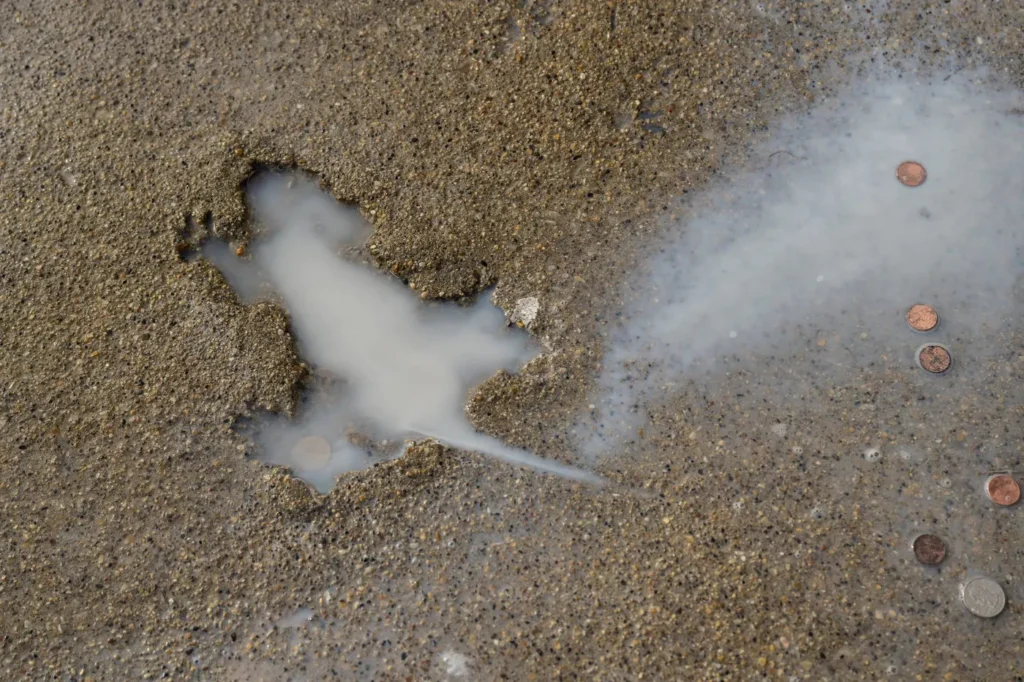
Every coastline has its secrets, but Scotland’s Forvie Reserve wasn’t exactly prepared for this one. After a weekend walker stumbled upon what looked like oversized tentacles scattered along the sand, the mystery quickly outgrew the usual “we found something weird on the beach” routine. The suckers were too large, the arms too thick, and the whole thing didn’t match any local species. Even the rangers who spend their careers dealing with nature’s curveballs admitted they’d never seen anything like it.


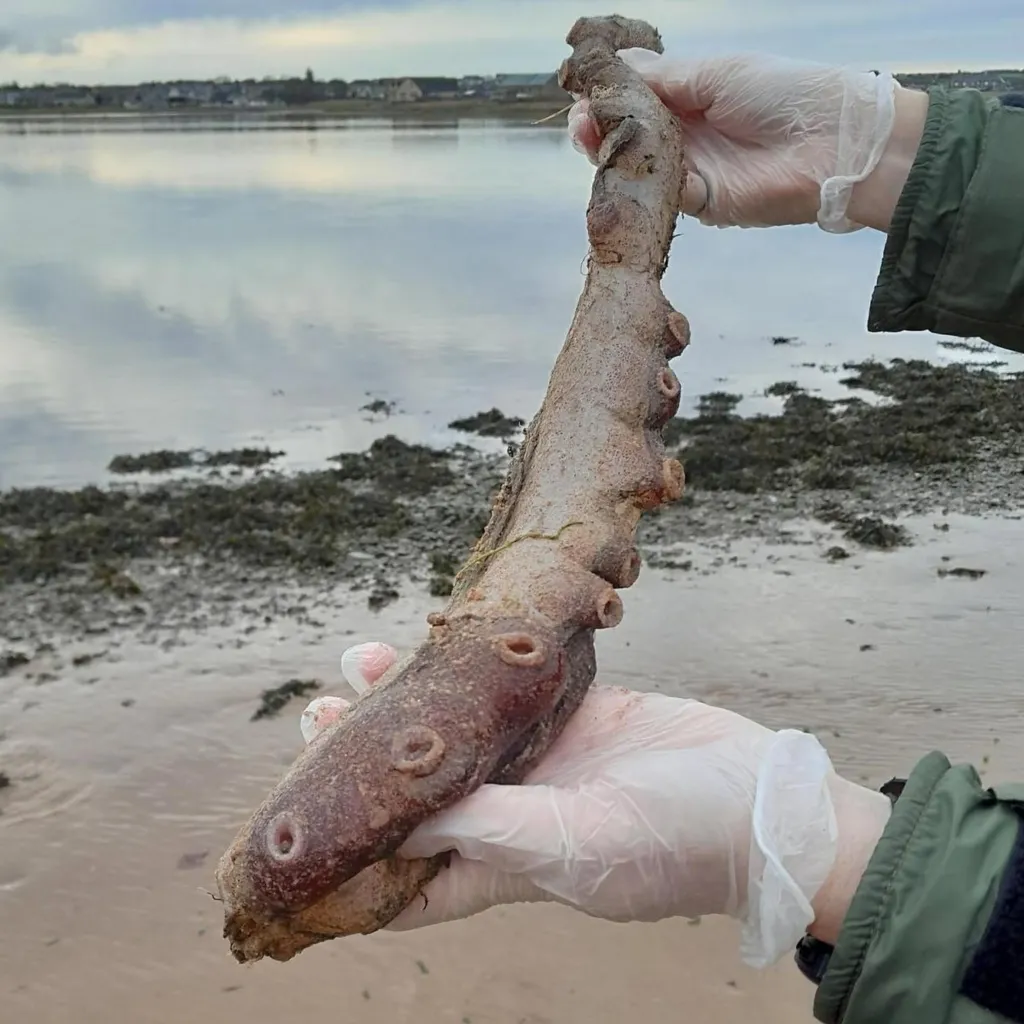
It didn’t take long before someone whispered the magic words: giant squid, the deep-sea celebrity every coastal town secretly hopes to discover just to break the monotony. But the anatomy was wrong. No serrated teeth on the suckers. No tell-tale squid design. What washed ashore wasn’t a myth; it was something rarer, quieter, and arguably even stranger.
The remains belonged to Haliphron atlanticus, the seven-arm octopus. A species so elusive that most marine biologists go entire careers without seeing one in the flesh. Despite the name, it actually has eight arms, but males reassign one for reproductive purposes – a detail the ocean clearly added for dramatic effect. Females can reach four meters in length, drifting silently in the deep hundreds of meters below the surface, far from the sunlit waters of the North Sea.
Which leaves the awkward question: How did a creature from 500 meters down end up on a beach known mostly for seals, terns, and polite Scottish weather?
No one has a satisfying answer.
Maybe deep-water currents carried the remains farther than expected. Maybe a fishing trawl brought it up accidentally. Maybe the ocean simply decided to remind us, yet again, that we know embarrassingly little about what lives beneath the first shimmering layer of blue.
Marine biologists echoed that sentiment. “Extraordinary,” “rare,” “an opportunity for study,” they said, the scientific equivalents of what on Earth is this doing here? The fragments have already been frozen for research, because even in death, the creature offers a rare window into a world humans barely understand.
Scientists from Aberdeen to New Zealand weighed in, confirming the species and marveling at the find. Meanwhile, locals are left with the sort of beach story that starts as curiosity and ends as mythology: a creature from the deep, washed ashore without explanation, like a message written in a language we haven’t yet learned to read.
And maybe that’s the point.
The ocean keeps its mysteries well, but every so often, it leaves one on our doorstep, just to remind us that the world is far stranger, and far less mapped, than our textbooks like to claim.